
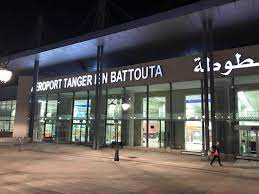
Tanger Airport
Tangier Airport, officially known as Tangier Ibn Battouta Airport, serves as a major gateway to northern Morocco and the nearby Strait of Gibraltar. Located approximately 15 kilometers from the city center of Tangier, it is named after the famous Moroccan explorer Ibn Battouta. The airport has undergone significant expansions and improvements in recent years to accommodate the growing number of domestic and international travelers.
| Visa requirements | As with the rest of Morocco, visa requirements for Tangier depend on your nationality. Many visitors, especially those from visa-exempt countries, can enter Morocco without a visa for short stays. However, it's essential to check the specific requirements based on your nationality before traveling. |
|---|---|
| Languages spoken | Arabic is the official language of Morocco, and French is widely used in Tangier. English is also spoken in tourist areas, making it relatively easy for travelers to communicate. |
| Currency used | The official currency of Morocco is the Moroccan Dirham (MAD). Currency exchange services are available at the airport and throughout Tangier. Credit cards are accepted in many establishments, but it's advisable to have some cash, especially in more local or traditional markets. |
| Area (km2) | Tangier Airport itself covers a relatively small area, typical for an international airport. However, the city of Tangier, where the airport is located, spans approximately 252 square kilometers, offering a mix of historical, cultural, and modern attractions for visitors to explore. |
| Country name | Morocco |
Sports & nature
While Tangier Airport itself is not known for sports and nature activities, the city of Tangier offers a range of outdoor opportunities. The city is situated along the picturesque coastline of the Strait of Gibraltar, providing opportunities for seaside walks and water activities. The nearby Rif Mountains offer hiking and trekking trails for nature enthusiasts.
Culture and history info
Tangier has a rich cultural and historical heritage. The city has been a crossroads of civilizations for centuries, with influences from Phoenicians, Romans, Arabs, and Europeans. The medina, Kasbah, and the historic American Legation are key cultural and historical sites. Tangier has also been a haven for artists and writers, including the likes of Paul Bowles and William S. Burroughs, adding to its unique cultural tapestry.
Unfortunately no accommodations were found.
Unfortunately no tours were found.
